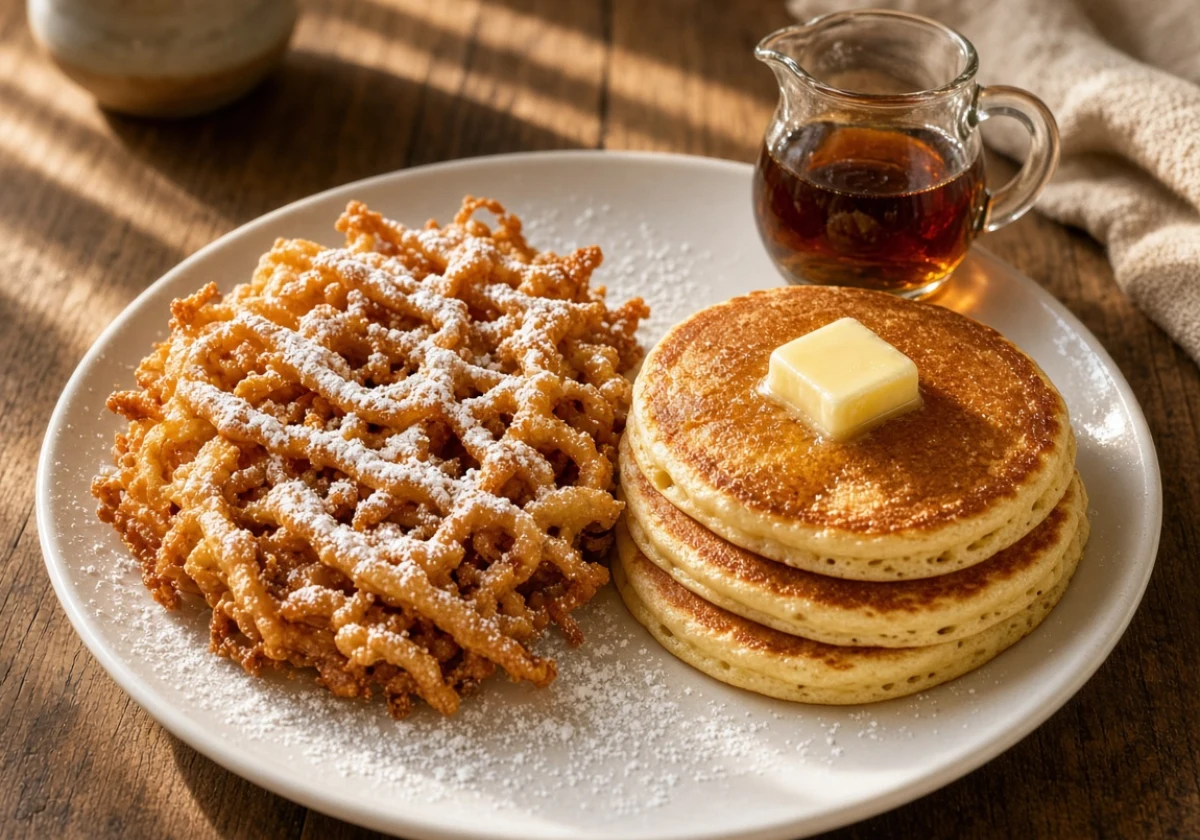
The difference between funnel cake and pancakes starts with how you cook them and when you serve them. For instance, funnel cake suits celebrations and deep-frying, while pancakes fit everyday breakfasts. Both use similar pantry ingredients, but the results are quite different.
Similar ingredients in multiple recipes leave many home cooks wondering if one batter works for both. At Byblos Philly, we understand the confusion when recipes look almost identical. However, each needs a different cooking method.
This guide explains the ingredients, cooking methods, textures, and nutritional differences between funnel cake and pancakes. Let’s learn which option suits your kitchen equipment and the occasion.
Batter Basics: The Difference Between Funnel Cake Ingredients and Pancake Ingredients
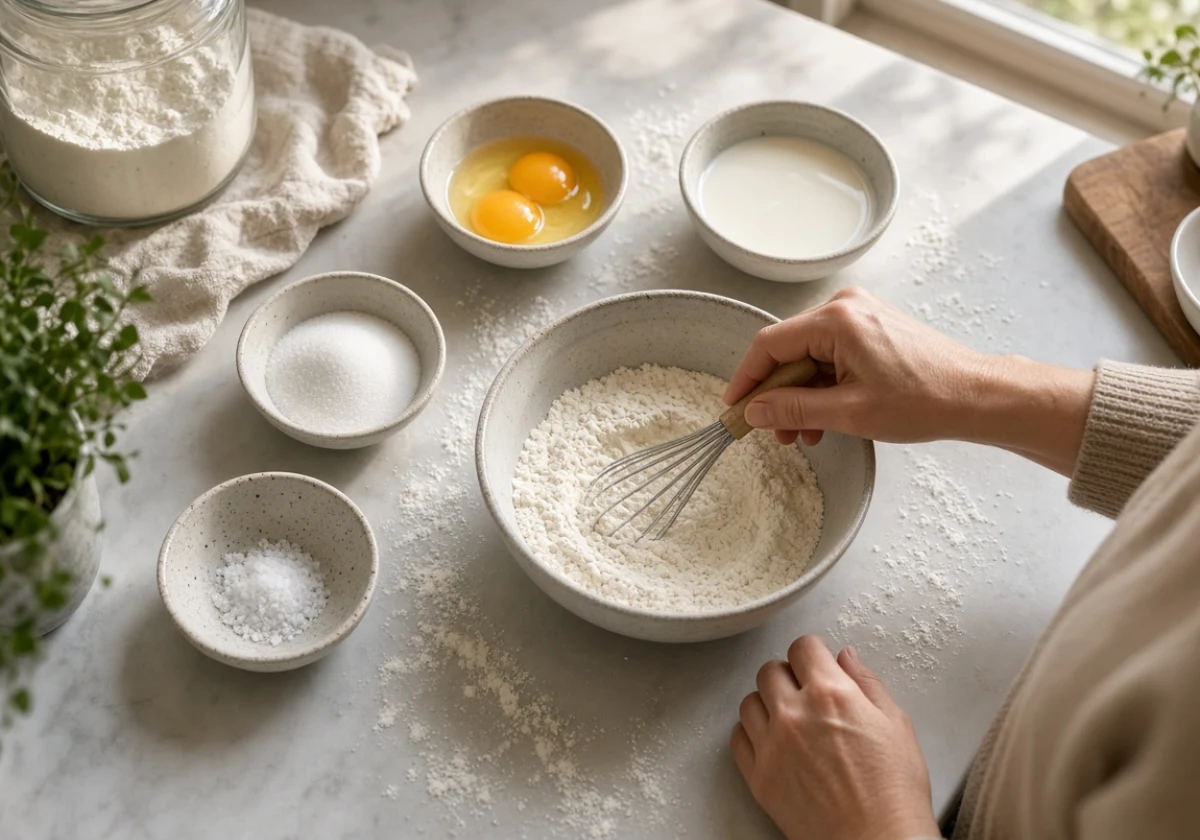
Many home cooks are surprised that funnel cake batter and pancake batter share almost every ingredient in the pantry. Four differences explain how each batter behaves during cooking.
1. What Goes into Funnel Cake Batter and Pancake Batter
Both batters start with the same five staples: flour, eggs, milk, sugar, and salt. The differences begin with how much of each ingredient goes into the bowl. Funnel cake recipes may use extra sugar for a sweeter taste and deeper browning in hot oil.
Fat is another point of difference. Pancake recipes include melted butter or oil, which helps with a tender texture. Funnel cake gets much of its fat during frying, although some recipes also include butter.
With so much overlap, the quantities deserve a closer look. Even small changes affect how the mixture cooks, especially when you compare frying with cooking on a pan.
2. Raising Agents: Why One Batter Stays Thin and One Puffs Up
The amount of baking powder is the one ingredient that truly separates them. Pancakes generally use a bigger dose to create a fluffy interior, while funnel cake batter stays thin enough to ribbon through a funnel.
As pancake batter heats, baking powder releases gas bubbles that expand and lift the mixture. The batter then sets around those bubbles, which gives pancakes their soft, airy crumb.
In short, funnel cake gets its light texture from baking powder and steam released during frying. That said, check your baking powder date before either recipe. An old tin will leave both treats dense.
3. Pourable Versus Fluffy: Getting the Consistency Right for Each
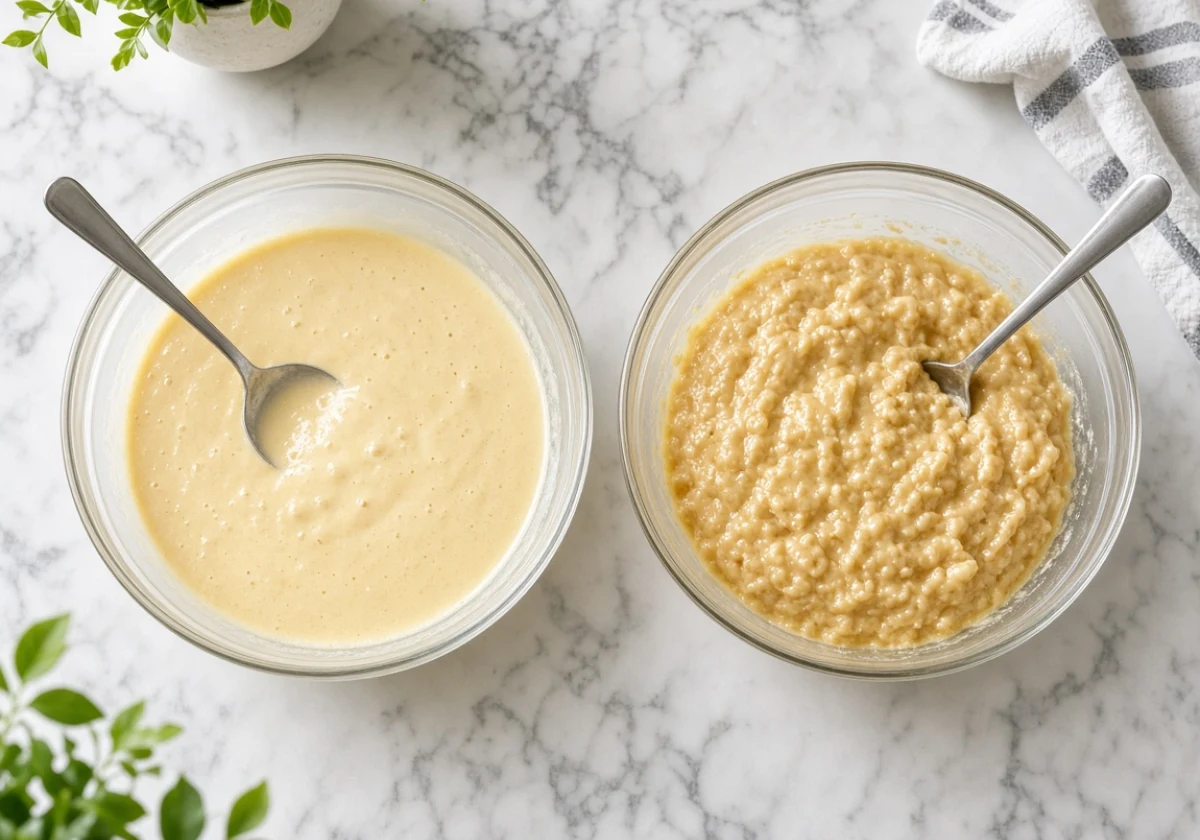
The thickness of your batter affects how well each recipe cooks. Funnel cake batter should pour in a steady thread, close to pouring cream.
Unlike that consistency, pancake batter sits thicker and drops off the spoon in a slow blob. That body helps it hold its form on the frying pan while bubbles develop inside.
Quick Tip: When you’re unsure about the consistency, lift a spoonful and watch how it falls. If funnel cake batter breaks into drops instead of flowing steadily, add a little milk.
4. What the Recipe Page Won’t Tell You About Swaps in Either Batter
Even with the right consistency, ingredient swaps change how each batter behaves during cooking. Buttermilk suits both batters and adds a mild tang. Its acidity reacts with bicarb soda when the recipe includes it.
Gluten-free blends absorb liquid differently, so funnel cake batter may thicken enough to clog the funnel. Pancake batter also needs the right consistency, or it won’t spread properly across the frypan.
Because flour blends vary in how much liquid they absorb, read the guidance on the packet before you swap. If either batter becomes too thick, add a splash of extra milk and check the consistency again.
How Does Deep Frying Set Funnel Cake Apart from Pancakes on the Griddle?
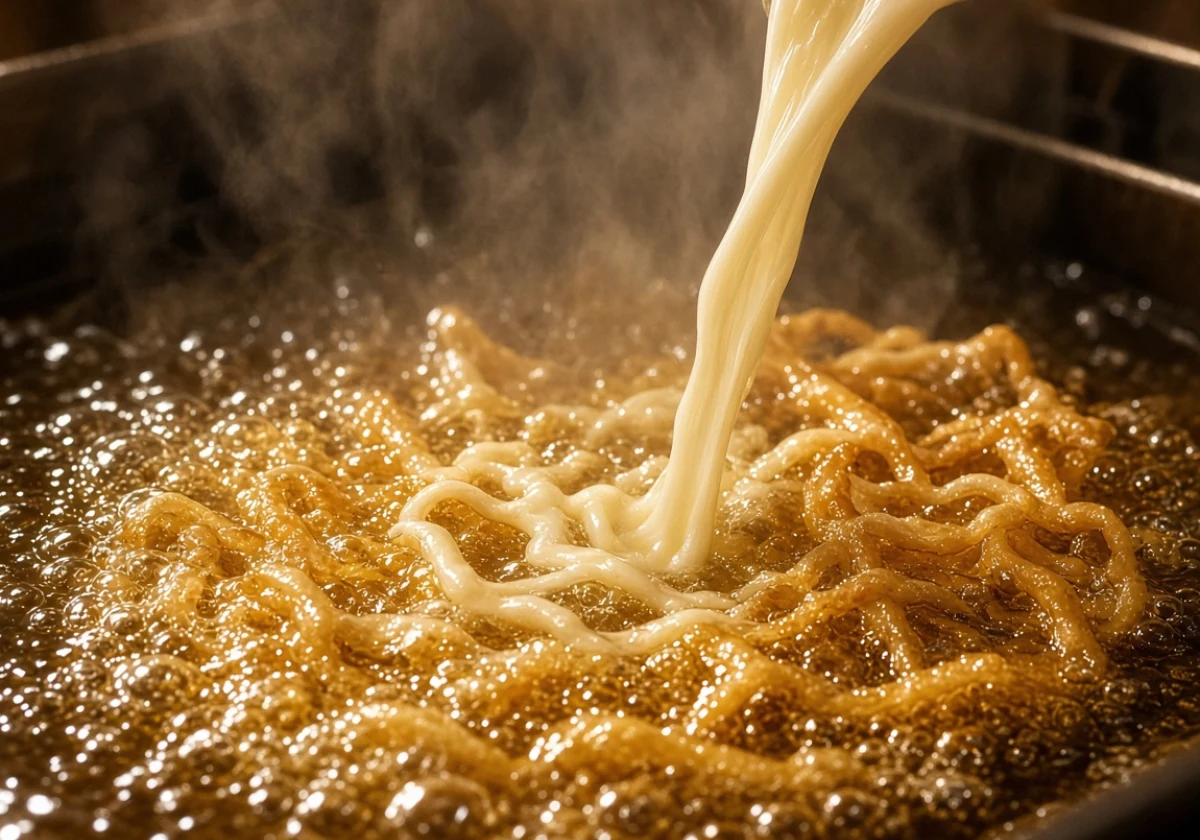
When the batter is ready, the cooking method determines the texture. Deep frying gives funnel cake its crisp, lacy edges, while a frypan produces soft, fluffy pancakes. Hot oil surrounds funnel cake’s thin strands, so the outside crisps while the centre stays soft. On the other hand, pancakes cook against the frypan one side at a time, with bubbles and firmer edges signalling when to flip.
Each heat source also needs a different setup before the first pour:
Heat Setting: Funnel cake needs steady oil temperature for a crisp finish. Pancakes, however, cook best over moderate heat. Cool oil leaves funnel cake greasy, and an overheated frypan browns pancakes before their centres cook.
Pan Depth: Choose a deep, heavy-based pan with enough oil for funnel cake to float. Leave space above the oil to prevent spills. Pancakes only need a flat, lightly greased frypan for even cooking.
Turning: Use tongs to turn funnel cake carefully so both sides brown. For pancakes, wait until bubbles appear and the edges begin to set. Then slide a thin spatula underneath and flip once.
Flavour Carryover: A clean frying pan and fresh butter help pancakes retain their familiar flavour. Frying oil often retains flavours from earlier batches, especially fish and spices. Fresh oil prevents those savoury flavours from affecting sweet funnel cake.
Both methods rely on heat to brown the batter, but too much browning brings another concern. Food Standards Australia New Zealand explains that acrylamide can form when certain starchy foods cook at high temperatures. This chemical has been linked to an increased risk of cancer in animal studies, so it’s best to avoid over-browning or burning the batter.
So match the heat source to the texture you want, because the batter alone won’t give you the same result.
Funnel Cake Rose Through American Fairground Desserts While Pancakes Ruled the Breakfast Table
The cooking methods explain the textures, but each dish’s history tells us why people serve them on different occasions. Funnel cake has roots in Pennsylvania Dutch kitchens, where German settlers poured batter through a funnel into hot fat.
Over time, funnel cake became a familiar treat at county fairs across the United States. Its name came from the tool used to pour the batter (the funnel named the dish before anyone marketed it).
Pancakes have a much longer history, with versions appearing across different cultures. Thin French crêpes and thicker Eastern European blini are two examples. Pancakes also have a place in Shrove Tuesday traditions, when families prepare them before Lent.
Their histories explain the occasions we associate with each dish today. Funnel cake remains a fairground favourite, and pancakes are a familiar breakfast in many homes.
We’ve cooked both in the same week, and the mood tells the story better than the recipe does. Funnel cake suits a crowd at a country show. And pancakes suit a slower morning around the family table.
Weighing Up Funnel Cake vs Pancakes on Texture, Toppings and Nutrition
Once the bowl and the backstory are settled, texture and nutrition offer another way to compare funnel cake and pancakes. Both belong to the same family of sweet treats as doughnuts and cinnamon rolls, but their textures and serving styles differ.
The table compares their texture, common toppings, fat content, and serving occasions.
| Point | Funnel cake | Pancakes |
|---|---|---|
| Texture | Crisp lacy strands with a soft centre | Even soft crumb with a lightly browned face |
| Toppings | Icing sugar, cinnamon and warm fruit sauce | Maple syrup, butter and fresh fruit |
| Fat content | Soaks up oil from the fryer while cooking | Takes a thin smear of butter on the frying pan |
| Occasion | Served hot and standing at a show | Plated at the breakfast table |
One difference the table can’t fully capture is how long each dish keeps its best texture. Funnel cake tastes best soon after frying, before moisture softens its crisp strands. Compared to that, pancakes are easier to prepare in batches and keep warm until everyone sits down.
Bring the Fair Home or Keep the Griddle Hot
The best choice depends on the kind of treat you’re in the mood for. Your cooking plans also help settle the choice. A relaxed weekend gives you time to prepare the oil and fry funnel cake fresh. On a busy morning, pancakes take less effort and leave fewer dishes to clean.
Both dishes show how simple food traditions bring people together, at home or around a restaurant table. At Byblos Philly, we share that appreciation for food and the people enjoying it. Get in touch with our team to learn more about our restaurant and dining experience.