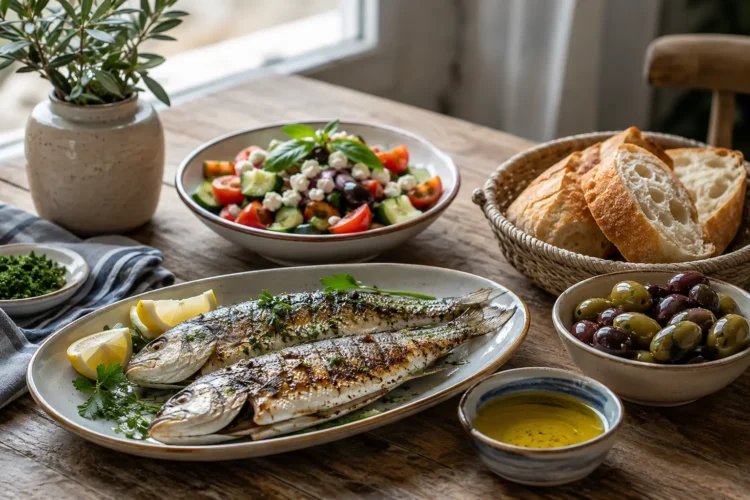
Mediterranean cuisine keeps showing up on menus across Brisbane, the Sunshine Coast, and pretty much everywhere in between, and it makes sense. When your plate starts with fresh vegetables, bold spices, and simple cooking techniques, the flavours speak for themselves.
Here at Byblos Philly, we serve Mediterranean and Philadelphia-inspired meals every day. So we know firsthand how local ingredients lift a global menu and turn a regular dinner into something worth returning for.
Below, we break down what makes Mediterranean cuisine so popular and how staples like olive oil, tomato sauce, and lemon juice define the flavour. We’ll also look at why Lebanese food traditions still influence the way modern restaurants plate their dishes.
What Makes Mediterranean Cuisine So Popular Right Now
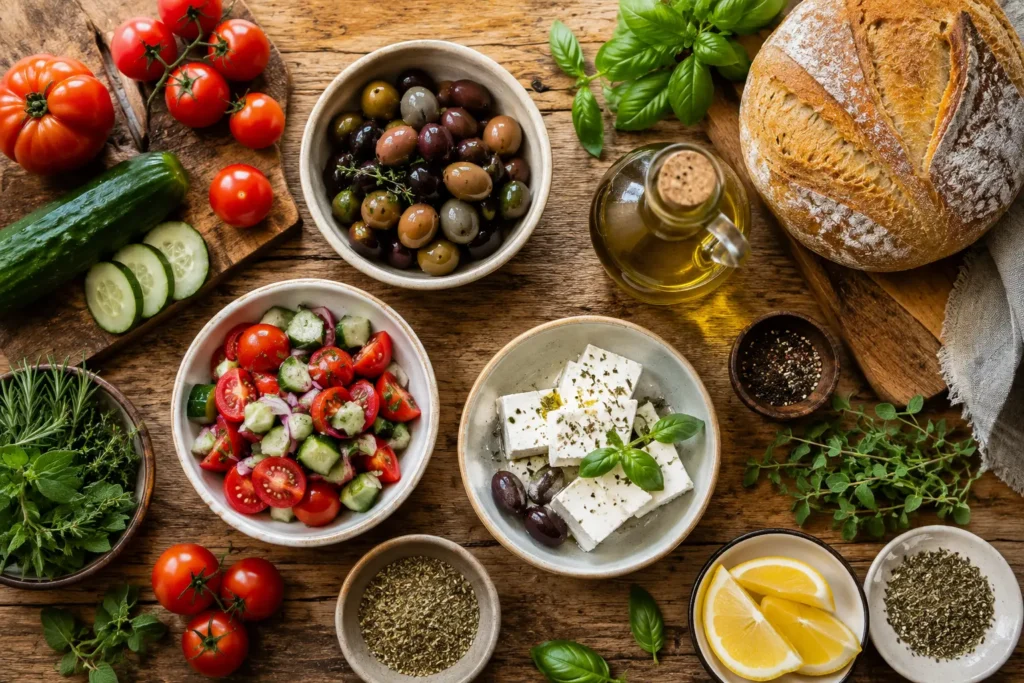
Mediterranean cuisine is popular because it relies on whole ingredients and bold seasoning that bring smoky, tangy, and herby notes to the table. Those flavours are bright and familiar, and diners across Brisbane and the Sunshine Coast have clearly caught on.
That popularity comes down to two things: fresh produce that tastes like it was picked yesterday, and spice combinations that give each meal its own identity. Here’s a closer look at both.
Fresh Ingredients Over Processed Alternatives
Restaurants now build their Mediterranean menu around seasonal vegetables, herbs, and grains instead of frozen or pre-packaged foods. That choice comes through in the colour, the texture, and the taste of every dish (and that’s the kind of detail people notice).
One good example of this is the weekend farmers’ market run on the Sunshine Coast. Chefs grab fresh parsley, tomatoes, and salad greens in the morning, and those ingredients end up on your dinner plate that same evening.
Bold Spice Combinations That Keep Diners Coming Back
Cumin, sumac, za’atar, and paprika add layered heat and tang to Mediterranean dishes that generic seasoning blends just cannot deliver.
You’d be surprised how much a pinch of sumac can change a whole plate. It brings this tangy, almost citrusy kick that pairs with everything from grilled lamb to a simple salad.
But those spices really come alive when chefs combine them with herbs like mint and garlic. A lunch plate with hummus, baked vegetables, and spiced lamb gives you five or six different flavours working together at once. And that layered eating experience is what pulls people into Mediterranean restaurants again and again.
How Olive Oil Took Over Modern Restaurant Menus
Believe it or not, most kitchens now use copious amounts of it on a daily basis. It shows up in dressings, marinades, dips, and nearly every main course plated from lunch through dinner.
That lines up with what we see in our own kitchen at Byblos Philly, where we run through bottles of the stuff week after week. A drizzle of extra virgin over fresh bread, olives, and cheese hits differently when the oil is rich and peppery.
And it goes well beyond the appetizer, too. Italian pasta dishes, Lebanese grilled platters, and even pizza bases all rely on it as their cooking foundation.
The health side is just as strong as the flavour. According to Harvard Health Publishing’s guide to the Mediterranean diet, olive oil is rich in heart-healthy fats and antioxidants that support a balanced diet. So when you pour it over a salad or use it to cook your vegetables, you get real nutritional benefits with every meal.
Pair that with a glass of wine and some traditional foods served family style. That’s a Mediterranean dinner that sticks with people long after the plates are cleared.
Once you’ve got the oil sorted, the next question is what brings the real flavour punch.
How Tomato Sauce and Lemon Juice Bring Mediterranean Dishes to Life
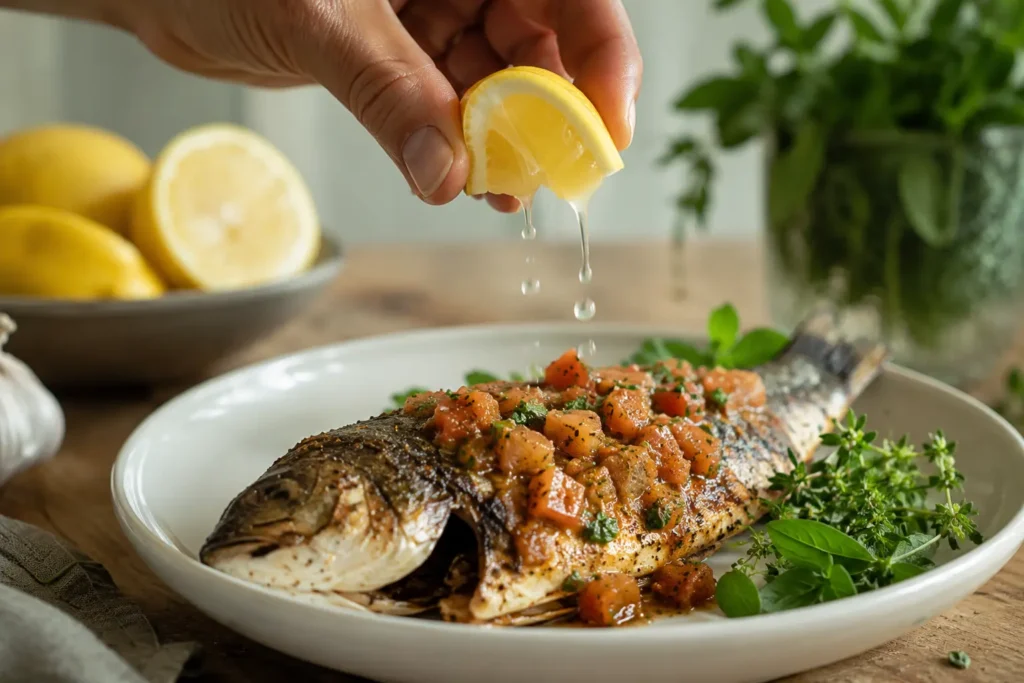
These two ingredients do serious heavy lifting on a Mediterranean plate, and most people don’t give them enough credit.
A good tomato sauce brings warmth and depth to any dish. A hit of fresh lemon juice, on the flip side, cuts through that richness and brightens the whole plate. And honestly, once you taste the two together on a slow-roasted lamb, nothing else quite compares.
Here’s how each one earns its place in so many recipe books.
- Slow-Cooked Tomato Base: A proper tomato sauce starts with chopped tomatoes, garlic, salt, and pepper simmered low for hours (low heat, plenty of time, no shortcuts). That slow cooking process builds a savoury base for stews, baked fish, beans, and rice dishes served across lunch and dinner menus.
- Bright Lemon for Balance: A drizzle of lemon over grilled lamb, baked vegetables, or a seasonal salad changes the entire eating experience. The acidity balances out heavier flavours like rich sauces and slow-cooked foods.
- Better Together on the Plate: When chefs combine the sauce and lemon juice in the same recipe, something clicks. A baked fish dish with a lemon and tomato finish is one example. You get savoury depth from the sauce and a bright, citrusy kick from the lemon in every single bite.
Both show up in nearly every Mediterranean kitchen. They bring balance, and that balance keeps diners coming back for another dinner.
From there, it helps to look at where all these flavours actually started.
Why Every Mediterranean Restaurant Draws From Middle Eastern Food
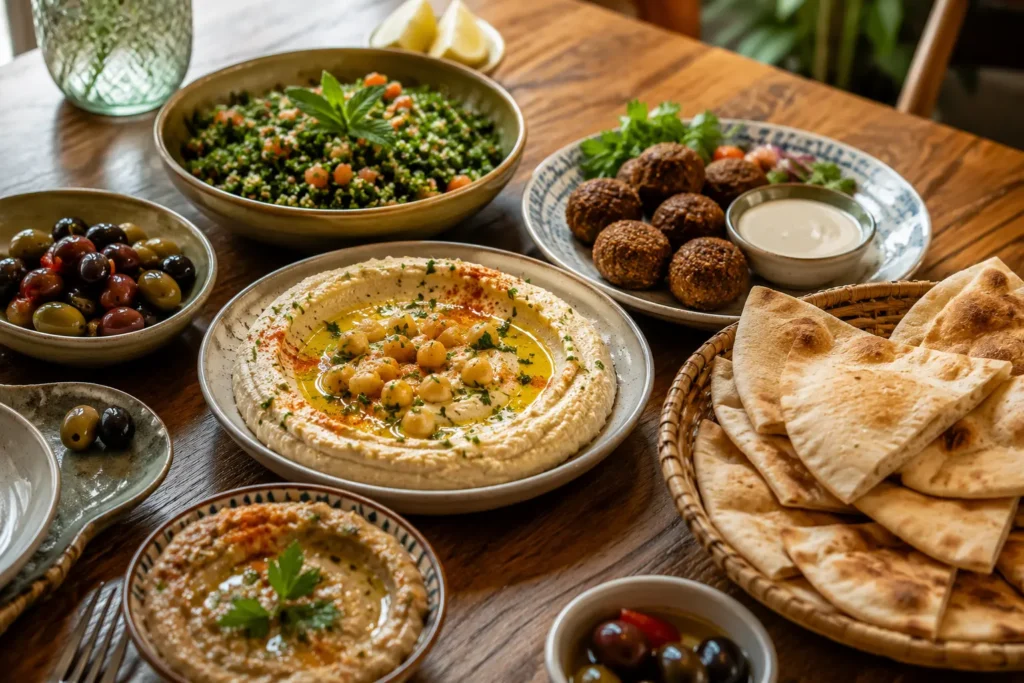
Most of the flavours you love at a Mediterranean restaurant started in Middle Eastern kitchens centuries ago.
Lebanese, Greek, and Syrian cooks built the recipes that modern restaurants still use today. And many of those staples are still on menus right now. The table below shows where a few of them originally came from.
| Ingredient or Technique | Middle Eastern Origin | How It Shows Up on Modern Menus |
| Bulgur wheat | Lebanese and Syrian kitchens | Tabbouleh, kibbeh, grain bowls |
| Charcoal grilling | Lebanese tradition | Smoky lamb, grilled platters |
| Garlic sauce (toum) | Lebanese staple | Dip, marinade, sandwich spread |
| Falafel | Egyptian and Levantine cooking | Wraps, salads, lunch plates |
| Flatbread | Region-wide | Rustic bread sides, loaded plates |
Now let’s look at two of these staples in more detail.
Bulgur Wheat and Wholegrains on Modern Menus
A few years ago, you would barely see bulgur wheat on a menu in Brisbane. Now cafes and restaurants across the city stock it regularly.
We saw that firsthand at Byblos Philly. When we added bulgur bowls to our menu, we weren’t sure local diners would go for it. Turns out, they loved it!
The nutty, earthy texture is a big part of why. Wholegrains like bulgur and lentils also keep you full longer than refined white alternatives (it packs roughly 30% more fibre than white rice). That makes them a popular pick for vegetarian and vegan meals served at lunch and dinner.
How Lebanese Food Shaped Flavours Across the Mediterranean Region
Lebanese staples like hummus, pickled turnips, and flatbread appear on plates worldwide. Chickpeas alone show up in falafel wraps, dip bowls, and stews plated across dozens of cuisines. And the cooking techniques are just as widespread.
Charcoal grilling from Lebanon gives proteins like lamb and chicken a smoky flavour that pan or oven cooking cannot replicate. And frankly, most people don’t realise how much of their favourite Mediterranean menu started in a Lebanese kitchen.
Today, they shape how Australian restaurants approach eating and serving their dinner and lunch dishes.
Experience Mediterranean Dining at Byblos Philly
Mediterranean food has earned its place on modern menus across Australia, and it is easy to see why. Fresh ingredients, bold spices, and centuries of tradition all show up in dishes that people genuinely look forward to eating.
At Byblos Philly, we cook Mediterranean meals for weeknight dinners, long family lunches, and special occasions alike. Our menu pairs the best of Lebanese flavours with Philadelphia-inspired classics, all served the way they should be.
Come in, grab a seat, and taste it for yourself. Bon appetit!