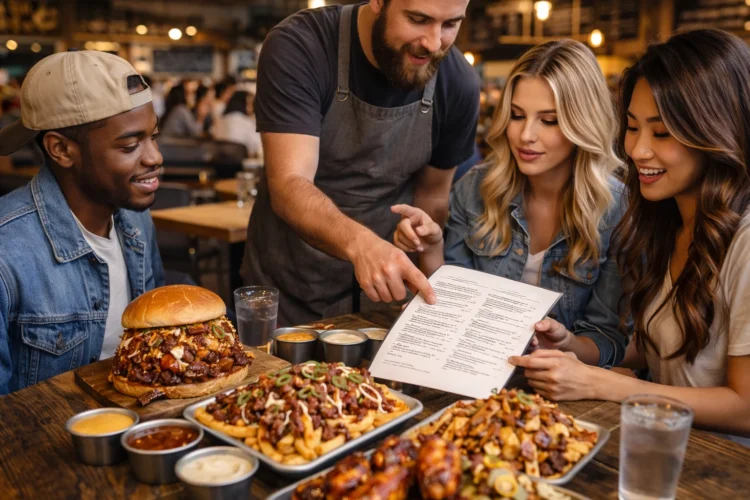
When 78% of restaurant diners base their dining choices on recommendations from friends, word-of-mouth becomes the fastest way to fill tables. One customer raves about your brisket melt to a coworker, and that coworker brings their family to try it the following Saturday.
Queensland restaurants discovered this pattern with American-inspired fusion food over the past year. Dishes that are added as quick experiments gradually became the meals driving their weekend bookings.
In this article, we’re going to talk about how certain menu items became customer favourites despite having zero marketing budget behind them. We’ll look at:
- The specific dishes Queensland diners ordered repeatedly
- What flavours caught on in Australian dining culture
- The reason they appeared repeatedly in Sydney and Melbourne sales data
So, let’s find out the unexpected Aussie favourite menus.
Surprising Menu Favourites in Australian Dining
Menu favourites develop when customers keep reordering the same dish and bring friends back specifically to try it. Interestingly, the dishes that become popular aren’t always the ones restaurants expect to succeed. Sometimes a chef experiments with a brisket leftover special, and months later it ends up outselling every other item on the menu by a wide margin.
That’s mostly what happened with American-inspired food in restaurants in Queensland. Take a look at some standout dishes.
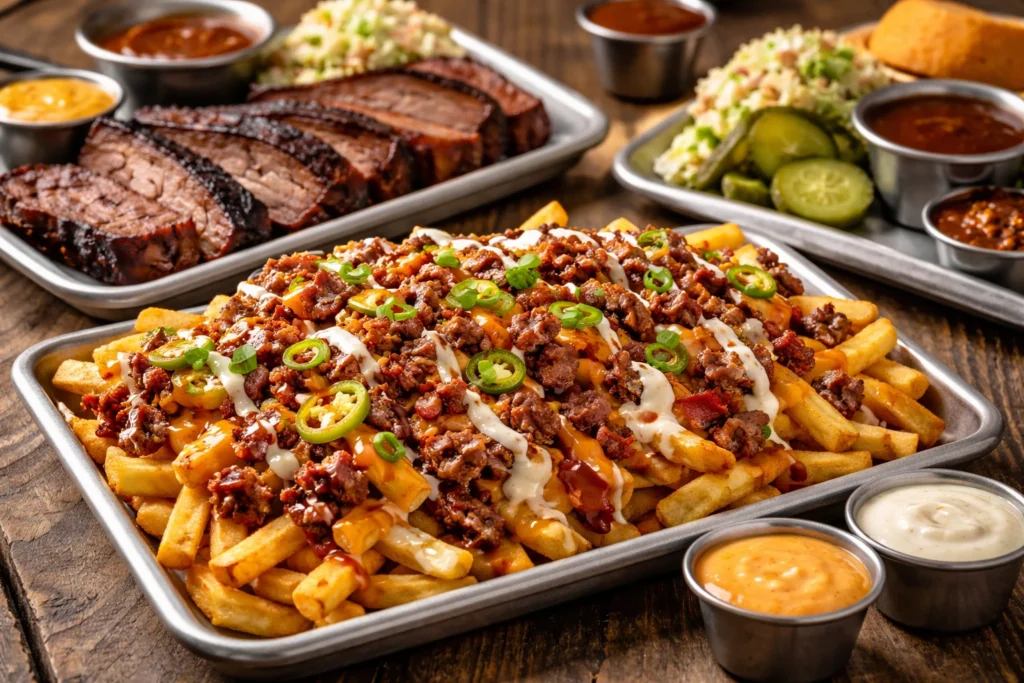
Loaded Fries Became Consumer Preferences
Loaded fries started as a side dish, but got promoted to a menu item. Then Saturday night groups began ordering them as their main meal, and suddenly you’re going through fifty kilos of potatoes every weekend instead of twenty.
Toppings like pulled pork, cheese sauce, and sour cream make simple chips become shareable meals. The combination quickly got popular because customers in Australia already love chips, and adding slow-cooked meat made them filling enough to replace a burger.
Plus, demand for loaded fries jumps the highest in Melbourne venues during the winter months when diners want something hot and heavy. Especially when social media posts of your diners show cheese dripping off fries, they bring new customers through your doors the following weekend.
Fun Fact: According to research published in MDPI’s Sustainability journal, 68% of restaurant-goers visited a restaurant they had never been to before based entirely on positive reviews on social media.
Brisket Melts Found Their Following
In Sydney, where 55% of diners eat out three or more times monthly, brisket melts became a regular weekday choice rather than a special occasion meal.
Texas-style low-and-slow cooking methods brought new hype to Australian menus. Our tests in the kitchen showed that diners in Melbourne and Sydney didn’t mind waiting twenty minutes for a table (yes, even when the meat took twelve hours in the smoker). And this meat on toasted bread didn’t even cost them twenty-five dollars.
The affordable price point made it a weekday lunch staple for tradies and office workers who needed consistent, reliable meals. Once these customers found a sandwich they liked, they ordered it every Tuesday and Thursday without checking the rest of the menu.
In terms of taste, the sandwich competed directly with traditional Aussie steak sandwiches. Except brisket melts have a deeper flavour from the twelve-hour smoke.
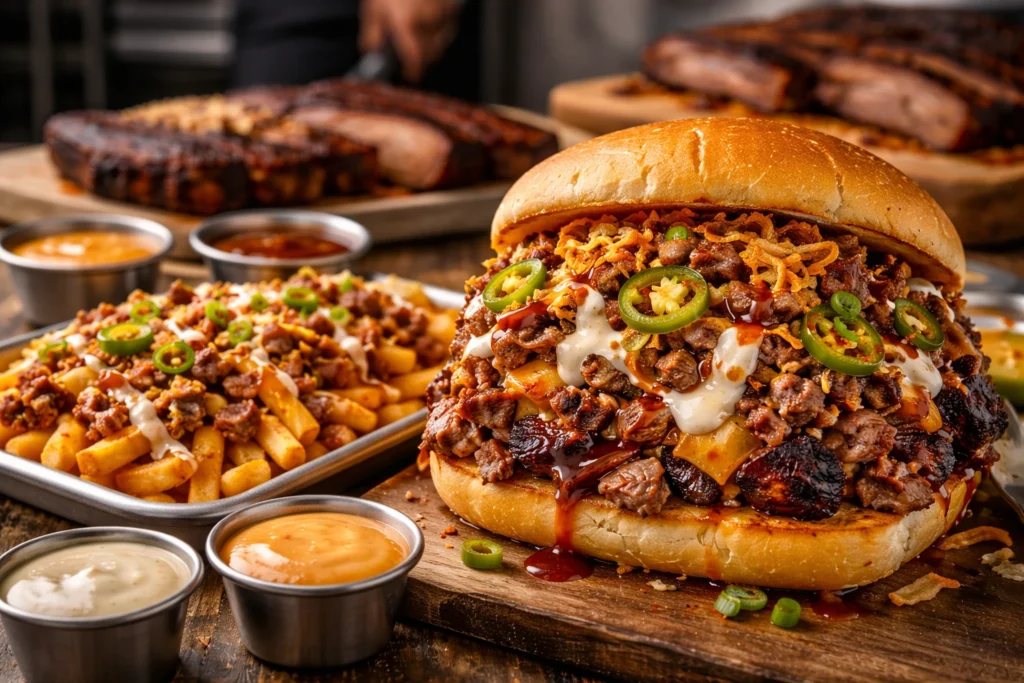
The Rise of Philly Cheesesteaks in Brisbane
This menu item began outselling the traditional pub schnitzels most Brisbane restaurants had served for years. The thinly sliced steak, melted cheese, and soft hoagie felt familiar enough to feel homely, yet different enough to stand out for Queensland diners looking for something new.
The sandwich succeeded because it had the beef-and-cheese combination Australians already loved in their pub meals, but with a fresh twist in preparation. Rather than a breaded cutlet, the cheesesteak featured paper-thin ribeye cooked on a flat-top grill alongside onions.
This technique kept the meat tender, while melted provolone or cheese whiz (depending on preference) added the gooey texture that had customers coming back for seconds.
Customer Preferences Changing Toward Bold Choices
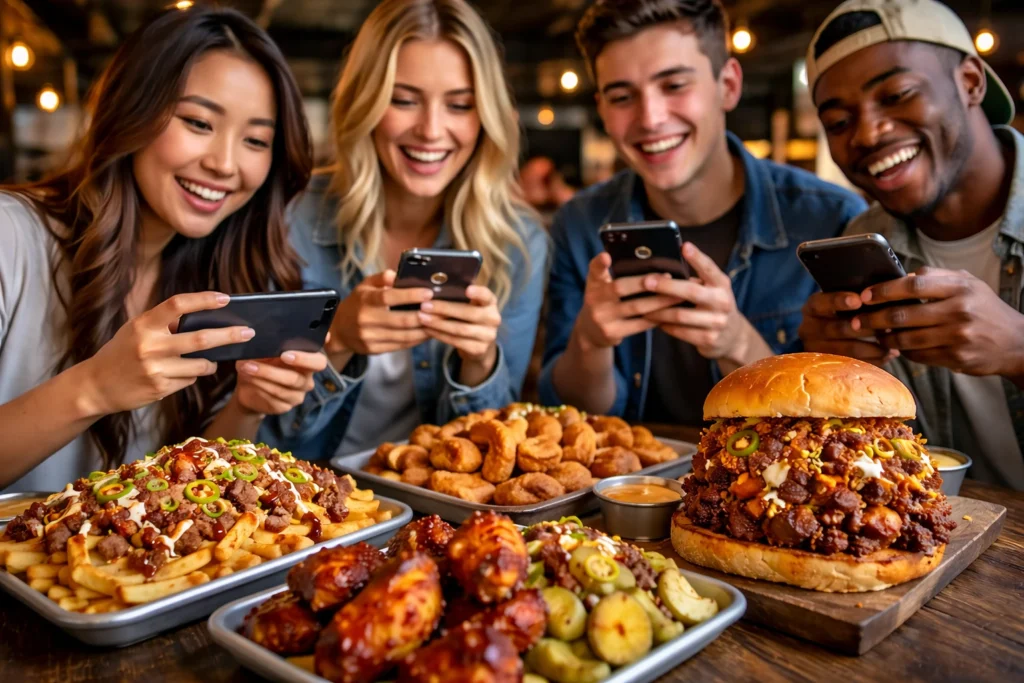
Diners now pick restaurants that offer bolder flavours instead of the safe menu choices that dominated Australian dining ten years ago. These preferences changed when younger diners started spending more on meals that gave them something worth posting online (because one good photo sells more meals than a month of print ads).
In fact, social media posts that show messy, cheese-covered dishes fill up weekend bookings faster than any paid marketing campaign. Say when a table of four posts your loaded fries to Instagram, their combined followers see exactly what to expect before they walk in your door.
Younger customers want food that tastes adventurous without feeling completely unfamiliar. That’s why the influence of American flavours worked in Australia. It’s how brisket and cheesesteaks sat close enough to existing preferences around beef and melted cheese.
Plus, restaurants didn’t need to educate diners on what they were eating, which kept the demand steady across different demographics and locations.
What Customer Behavior Reveals About Food Businesses
Customer behavior can show which menu items are effective and which ones waste your food costs before you even check the sales data at the month’s end.
Restaurants that track these patterns can predict what to cook more of and which items to drop entirely. For this, you don’t even need expensive software or a data analyst to spot what’s selling. You only need to watch what leaves the kitchen and what comes back on plates.
This is how you can observe your customer preferences:
- Repeat Orders: Tables ordering the same dish on three visits signal a menu winner. When you see the same customers come back weekly and order your brisket melt every single time, that dish earned its spot permanently.
- Weekend vs Weekday Timing: Friday and Saturday nights usually demand shareables like loaded fries, while Tuesday lunch crowds reach for sandwiches they can finish in under twenty minutes. These patterns show the right dishes to promote at the right times.
- What Stays on the Plate: Leftover checks reveal portion sizes and whether flavours actually work for the diners. For instance, when customers leave half their pasta but finish every bite of your chicken, you’ll know what exactly needs improvement.
- Server Questions: If your staff spend ten minutes every shift explaining what’s in your Philly cheesesteak, your menu descriptions need more detail. Which is why adding two extra lines stops those questions and speeds up service for everyone.
- Takeaway Order: Watch for patterns in takeaway orders versus dine-in menu choices, since customers pick different meals when eating at home compared to sitting in your restaurant. These insights help you promote the right dishes on delivery platforms.
- Photo-worthy Moments: When dishes get photographed constantly, they’re doing double duty as both a meal and marketing material. The interactions between customers and your food on social media influence which items new diners are likely to order on their first visit.
These insights from customer data help you identify which menu items deserve prime placement and which ones should rotate out next quarter. We suggest tracking these behaviours even if it sounds complicated at first.
Culinary Experiments Becoming Crowd-Pleasers
Menu favourites develop when you pay attention to what customers actually order instead of what you hoped would sell. The American-inspired dishes surprised Queensland diners in the best possible way because they balanced familiar comfort with new flavours that didn’t scare anyone off.
At Byblos Philly, we’ve watched certain fusion dishes become customer obsessions through exactly this process. And the meals that became popular weren’t always the ones we expected to succeed.
So start by adding one experimental item to your menu this month. Maybe track how often it gets ordered, who orders it, and whether those customers come back within two weeks. Your next menu winner might be sitting in your test kitchen right now.