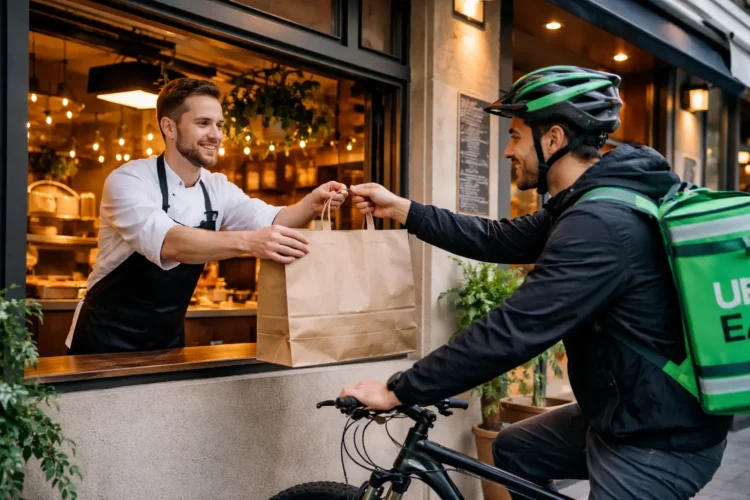
Food delivery now drives more revenue for Australian restaurants than dine-in service in some markets. That’s not a prediction; it’s already happening across the country.
Customers want meals delivered to their door, and restaurants that built their business around delivery are pulling ahead because of it. At Byblos Philly, we serve the Brisbane food scene with American-inspired flavours built for delivery. And we’ve watched this market grow firsthand over the past year.
In this guide, we’ll break down the food delivery trends shaping Australia right now, explain why they work, and show how your business can catch up before competitors do.
Food Delivery Trends Reshaping Australian Restaurants
Food delivery trends in Australia point to one clear shift: customers want restaurant meals at home, not in dining tables. This change has pushed restaurant operators to rethink how they run their business, from kitchen setup to menu design.
Here are three trends shaping the industry right now:
Market Growth Shows No Signs of Slowing
Australian food delivery revenue hit $6.2 billion in 2025, and industry reports show continued growth through 2026. Consumers now spend more on delivered meals than ever before, with services expanding into suburbs that never had options five years ago.
This growth means more customers ordering from more locations, which creates an opportunity for restaurants willing to adapt.
Menus Built for the Bag, Not the Plate
Restaurants now design menus specifically for delivery, prioritising dishes that travel well in containers. And since soggy chips don’t win repeat customers, operators focus on food that holds heat, stays crispy, and looks good when the lid comes off.
Peak Hours Have Shifted Later
Peak ordering hours moved to 8 pm to 10 pm, now the busiest window for most delivery platforms (yes, that means your kitchen stays busiest when your dine-in crowd has already gone home).
Experienced operators prepare staff schedules around this demand, instead of traditional dinner services.
Why Online Ordering Has Become the Default
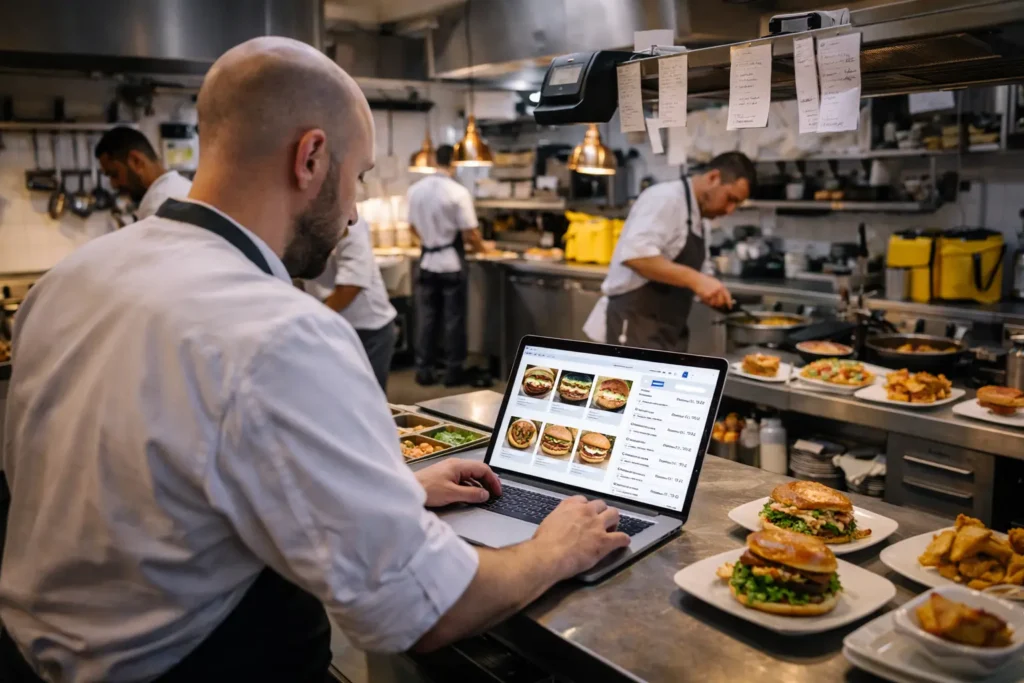
Online ordering has become the default because customers expect to buy food on their own terms, without calling or waiting. This behaviour now drives how most consumers in Australia choose where to eat.
Think about how people order food today. They scroll through an app or website, tap a few buttons, and pay without speaking to anyone. If your restaurant makes them call or wait on hold, they move on to a competitor with a smoother checkout.
Speed plays a big role here, too. Most consumers abandon their order if the process takes longer than two minutes. That means your online ordering system needs to load fast, display your menu clearly, and let customers pay in just a few taps.
What’s more, restaurant owners who invest in their own website for ordering often see better margins than those relying only on third-party apps. They keep more of each sale and build direct relationships with customers.
Ultimately, when you control the ordering experience, you essentially control how people remember your food and your service.
How Younger Generations Are Driving Food Delivery Demand
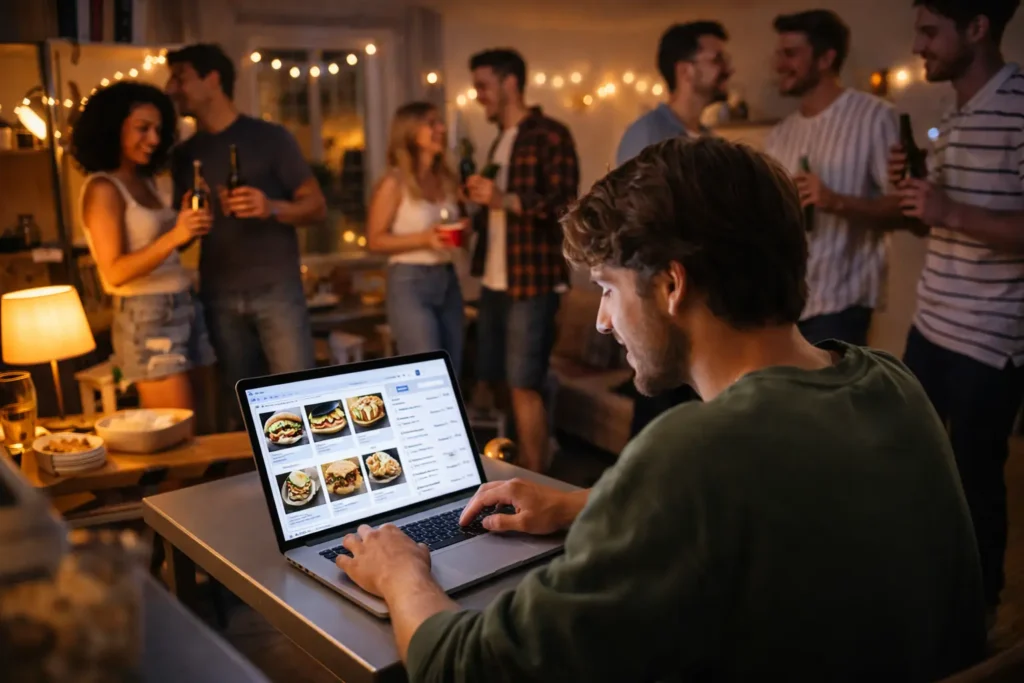
Did you know, 41% of Gen Z consumers have ordered food delivery three or more times in a single 24-hour period. This habit explains why younger generations have become the most valuable customers for delivery-focused restaurants.
The table below shows how ordering habits differ across age groups.
|
Generation |
Weekly Delivery Orders |
Discovery Method |
|
Gen Z & Millennials |
3+ times per week |
Social media & apps |
|
Gen X & Boomers |
1 time per week |
Word of mouth & search |
gen Z and Millennials order delivery far more often than older demographics each week. What does that mean for your restaurant, though?
Well, it means your Instagram game now doubles as your marketing budget. Younger consumers discover new places to eat through social media feeds and food delivery apps, not word-of-mouth recommendations from friends.
This group also values convenience over price. They will pay extra for faster delivery windows and smooth online ordering experiences. For restaurant operators, this creates a clear opportunity. So if you want to reach younger consumers, you need strong visibility on delivery apps and engaging content on social platforms.
And building loyalty with this audience early pays off, since these customers tend to stick with the brands they trust.
Third-Party Apps and the Rise of Virtual Kitchens
Third-party apps changed how Australians find food, and virtual kitchens changed how restaurants serve it. Together, these two trends have changed the delivery industry across the country.
We’ll break down each trend in this section.
Apps Control Discovery Now
Uber Eats, DoorDash, and Menulog now control how most Australian consumers discover local food options. These platforms act as search engines for hungry users, which means your ranking and ratings directly affect how many customers find you.
The numbers also back this up: restaurants using third-party apps report that 30-40% of total revenue now comes from delivery orders. For many businesses, this income stream has become too large to ignore.
Virtual Kitchens Skip the Shopfront
Believe it or not, some of Brisbane’s most popular delivery brands don’t have a single table for customers to sit at. These virtual kitchens operate without shop fronts, running multiple delivery brands from one shared space.
This model cuts rent and staffing costs while letting operators test new food concepts with lower risk. For restaurant owners watching their margins shrink, virtual kitchens offer a way to grow delivery sales without the overhead of a traditional dine-in location.
How Delivery First Models Attract More Customers
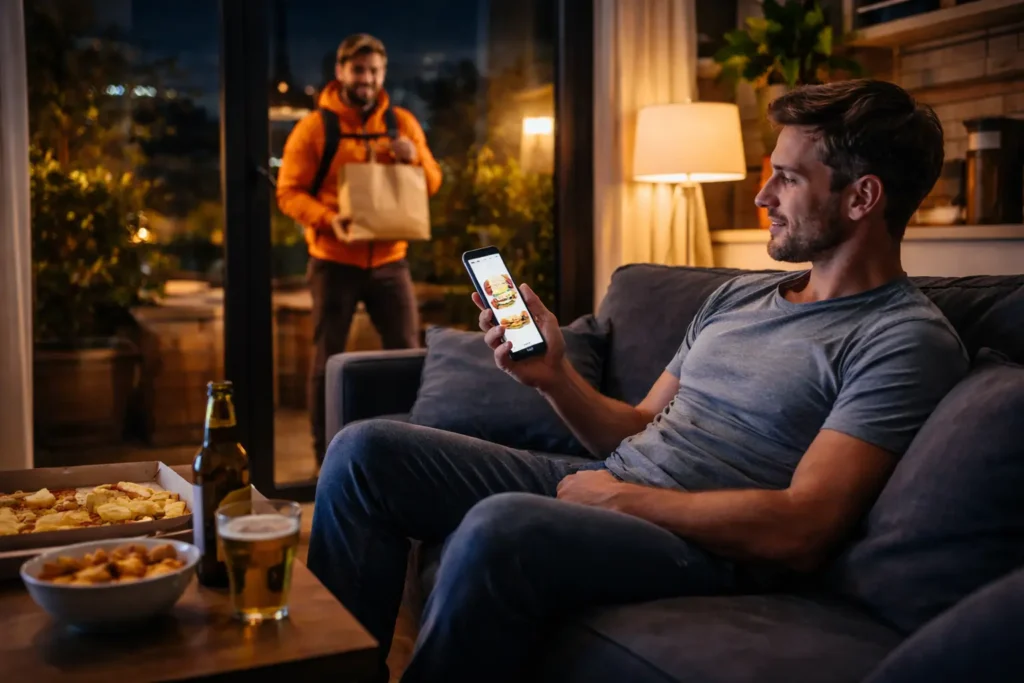
Delivery-first models help your customer base grow beyond your postcode without opening a second location. This approach lets restaurants reach more customers while keeping costs under control.
Here’s how delivery-first models help your business grow:
- Geographic Reach: Delivery removes geographic limits. A restaurant in Fortitude Valley can now serve families in Chermside, Carindale, or even out to Ipswich. These suburbs sit well outside your usual dine-in radius, but delivery puts your food on their tables.
- Lower Overheads: Delivery first operators spend less on rent, fit-out, and front-of-house staff. That extra money goes into food quality and marketing instead, which helps attract new customers and keep existing ones coming back.
- Dine-in Conversion: Customers who order delivery often become dine-in regulars after trying the food at home first. Once they trust your menu, they want the full experience.
These benefits also compound over time.
A wider delivery radius brings in more customers, positive reviews boost your visibility on apps, and word spreads through the community. For restaurants in markets like Brisbane, where suburbs stretch far from the CBD, delivery-first models create growth that traditional dine-in setups struggle to match.
So what does this mean for operators in South East Queensland? Simply put, the city’s layout gives local restaurants a built-in advantage.
What Brisbane Restaurants Can Learn From This Shift
Brisbane’s sprawling suburbs make delivery first models especially profitable compared to Sydney or Melbourne. Customers in areas like Redcliffe, Logan, or the Sunshine Coast often have fewer local dining options, which means less competition for your delivery orders.
Through our own experience serving customers across South East Queensland, we’ve learned that loaded fries and brisket melts travel better than plated salads. So focus your delivery menu on food that holds up in transit.
Restaurant owners should track which menu items get reordered most often and promote those dishes online. This data helps you double down on what works instead of guessing. You can also partner with multiple delivery platforms to increase your visibility without requiring extra marketing spend.
What’s more, technology tools like order tracking and customer feedback systems give you insights into what your audience wants. And when you combine this data with sales reports, you can refine your menu, adjust your delivery radius, and prepare for peak ordering windows.
The Future Arrives at Your Door
Delivery has already changed how Australians eat, and your restaurant can either lead or follow. Delivery-first restaurants already serve customers on their couches, at their desks, and anywhere else hunger strikes.
Brisbane operators who embrace this model now will capture market share before competitors catch up. The trends, technology, and consumer habits all point in one direction, and restaurants that adapt will see the growth.
Ready to build a menu that travels well and keeps customers coming back? Byblos Philly shows how delivery dining is done right.